A portfolio built like a product
8 MIN

The Opportunity
Credibility at scale—not a PDF, not a template, and not "vibes only"
Hiring managers do not hire screenshots. They hire people who can frame problems, ship with quality bars, and operate responsibly when tools and models move fast. A static portfolio optimises for the first impression; it rarely survives the second question: *How does this person work with engineers? How do they scale content? How do they prevent AI from becoming an expensive liability?*
I needed a site that could stand up to that scrutiny: multi-locale reach without fragmenting the experience, a coherent design system that stays on-brand, and an AI feature that is grounded—not generic chat wrapped in marketing.
- **Reach:** Speak to global audiences without treating translation as an afterthought.
- **Craft:** Match the polish expected at top-tier product companies—typography, spacing, motion with purpose, WCAG-minded defaults.
- **Trust:** Ship AI in a way that is observable, bounded, and maintainable (retrieval, seeding, cost and CI guardrails).
The constraint was intentional: no CMS team, no endless bespoke pages—just disciplined content models, automation where it earns its keep, and review where judgment matters.
The Solution
Design system first—then a modern web stack, then AI with guardrails
Design craft. The interface is built on shadcn/ui (Maia) so components stay consistent, accessible, and theme-native—no one-off "fix it in CSS" drift. Layout and hierarchy follow a tight spacing scale and Apple-style interaction principles baked into how the work is executed, not just how it is described. The result is a portfolio that feels intentionally designed, not assembled.
Product architecture. Next.js 16 and the App Router give a clear split between what can be static, what must be dynamic, and what should stay server-side. next-intl carries the same information architecture across English, Hindi, Arabic, and Spanish—a deliberate statement about inclusive reach and execution depth, not a plugin checkbox.
Tooling as operating model. GitHub is where quality becomes habit: pull requests, automated i18n linting, and workflows that keep product documentation and issues aligned with what actually ships. Vercel is the deployment layer—fast previews, production promotion, analytics and performance signals—so iteration stays tight and regressions surface early.
AI, treated like a product feature. The Ask experience is backed by retrieval: content is chunked, embedded, and seeded into Neon Postgres with pgvector so answers trace back to real sources. The build pipeline is careful about cost and safety—for example, machine translation and other API-heavy steps are not wired into default production builds; generated translations live in the repo and are reviewed. That is the same instinct you want in a production org: automation with brakes.
- **Cursor** accelerates implementation and refactors, but **repo rules** encode standards—so speed does not erase consistency.
- **Testing** (unit + Playwright) protects core journeys; **SEO primitives** (canonicals, sitemap discipline) protect discoverability.
- **Post-build automation** refreshes embeddings and supporting artefacts so the live site does not silently drift from the content truth.
The Impact
A portfolio that demonstrates judgment—not just output
What hiring managers get is not "I used AI." It is evidence of end-to-end ownership: from interaction and visual design through internationalisation, content operations, search and structured data, and safe AI delivery. The site is faster to evolve because the system is modular; it is safer to operate because guardrails are explicit; it is more useful to visitors because Ask turns a passive archive into an interactive brief on how I work.
If you are evaluating a product designer who partners like a PM and ships like someone who respects engineering reality—this project is the working proof.
“I optimise for the second impression—the questions a hiring manager asks after the hero scroll.”
In the product
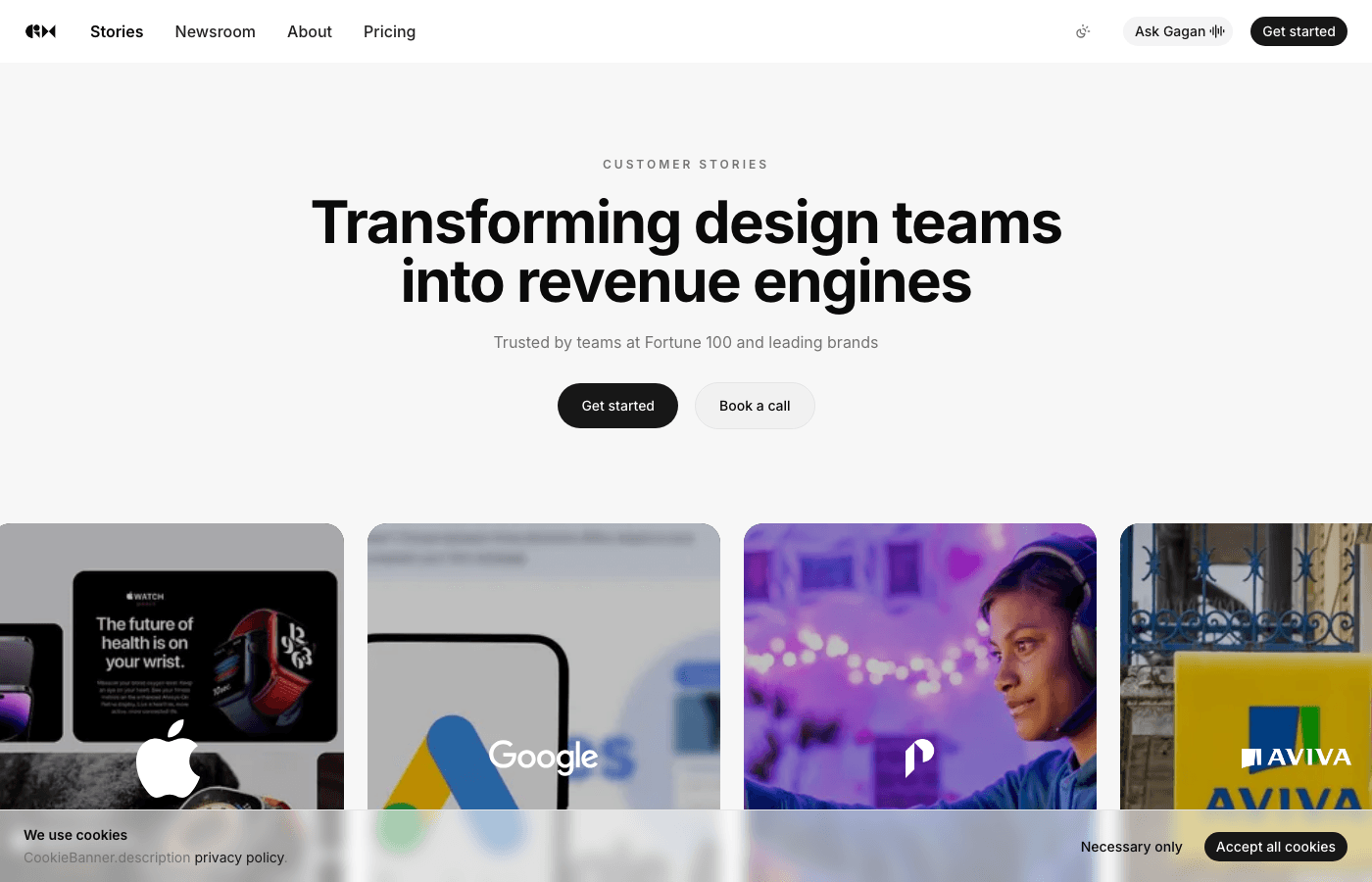
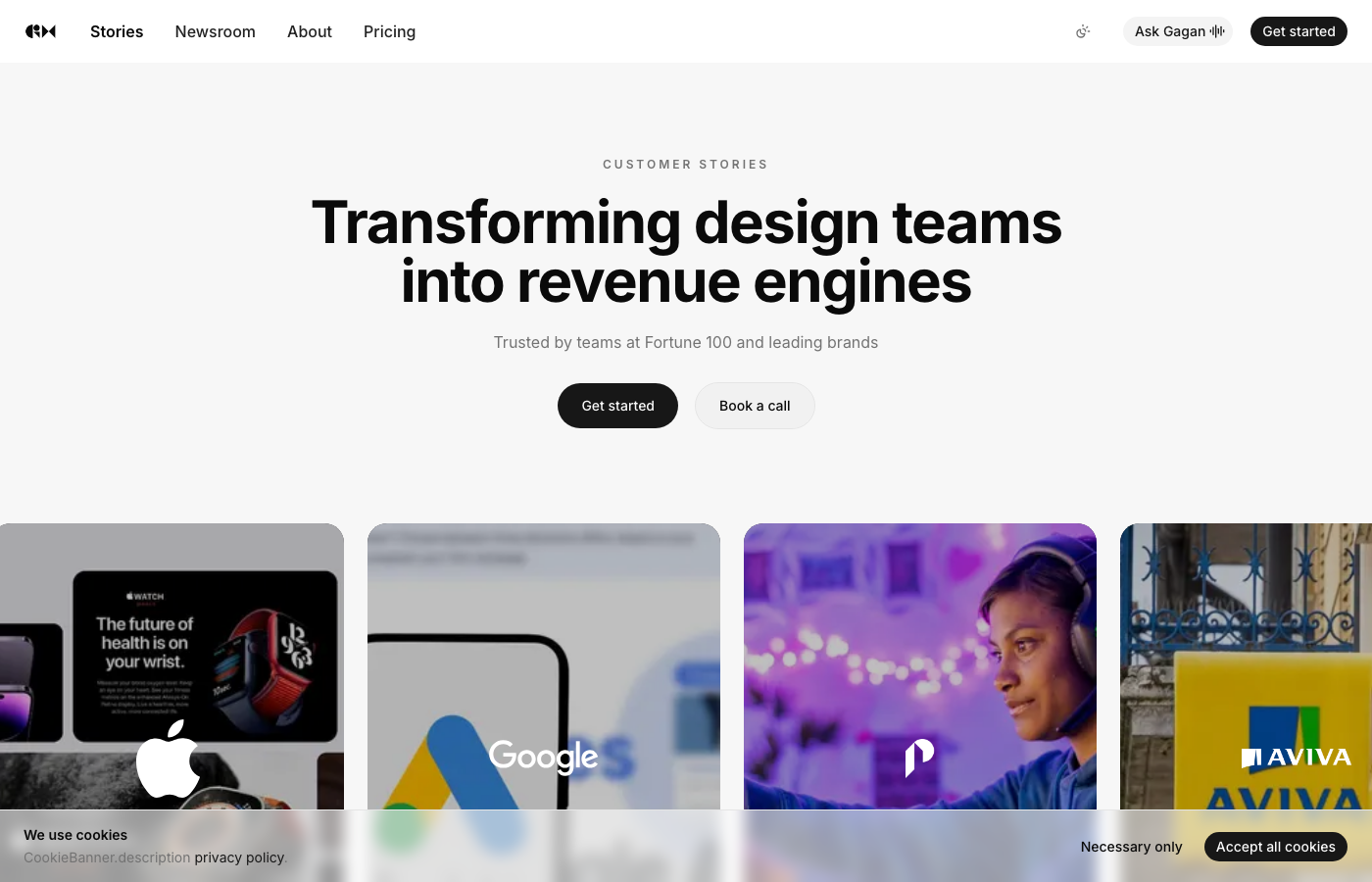
Case studies and motion use the same spacing, type, and card patterns as the rest of the site—systems, not one-off screens.
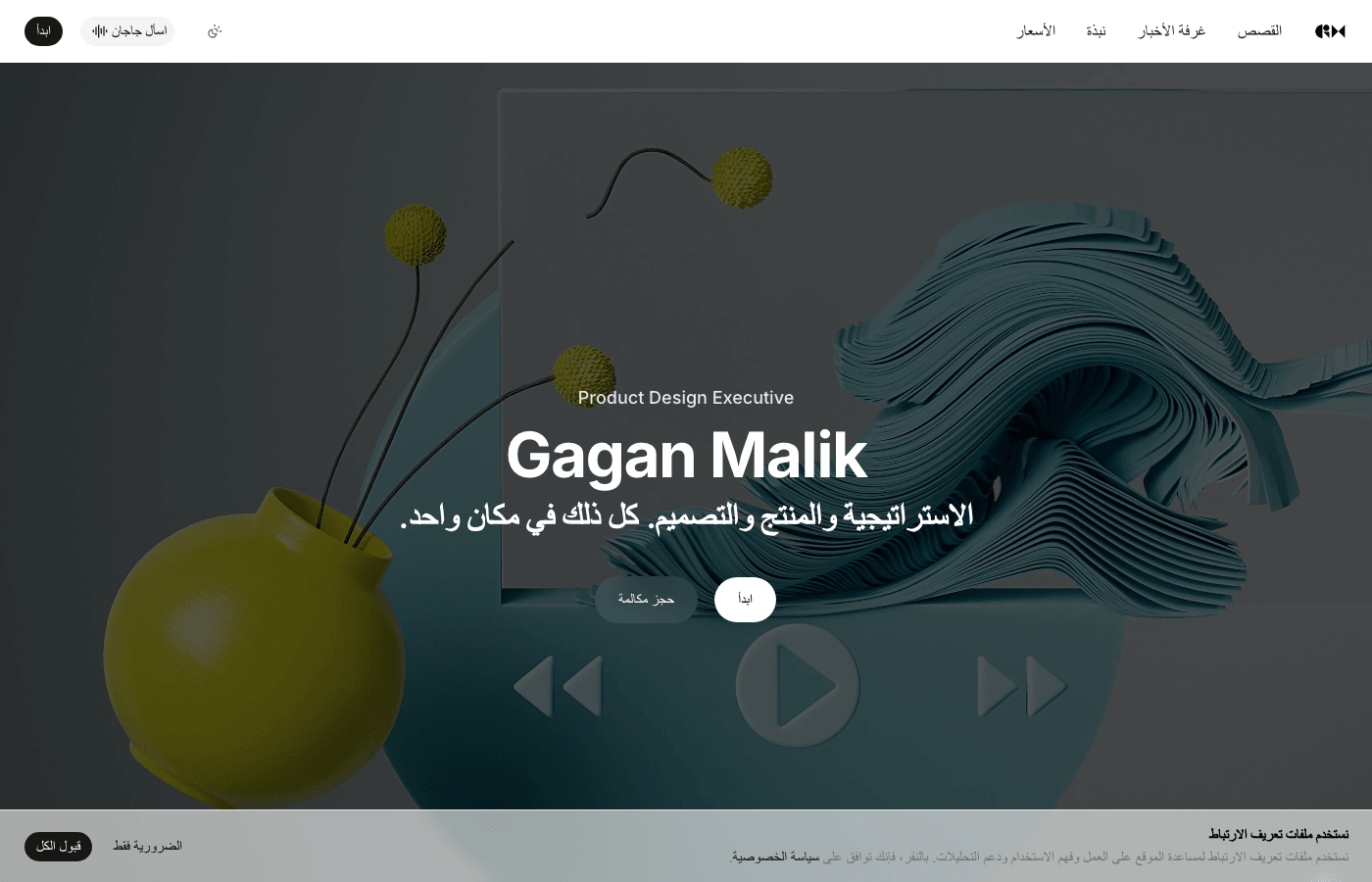
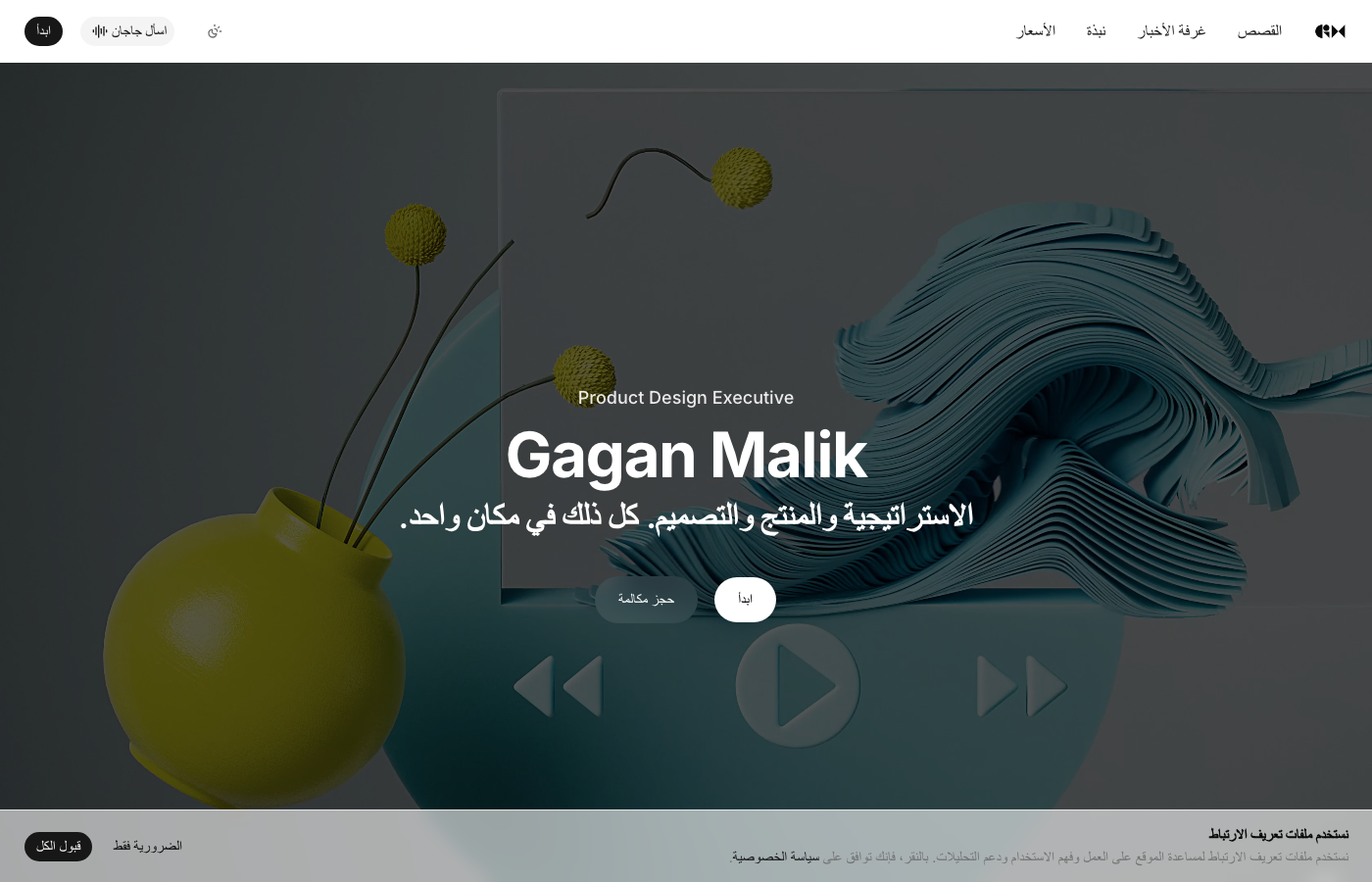
Arabic (RTL) alongside English, Hindi, and Spanish: structure holds while copy and reading direction adapt.
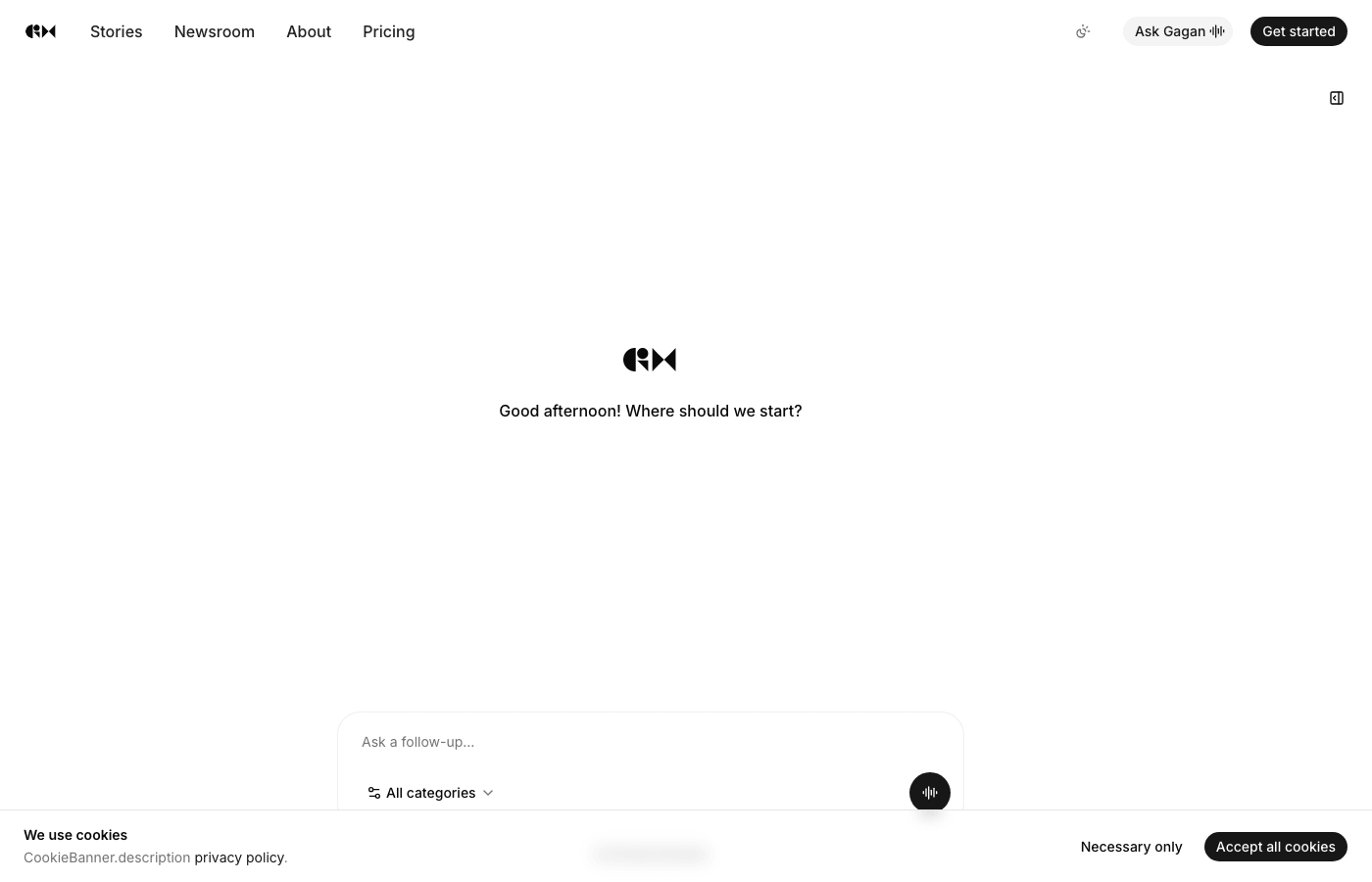
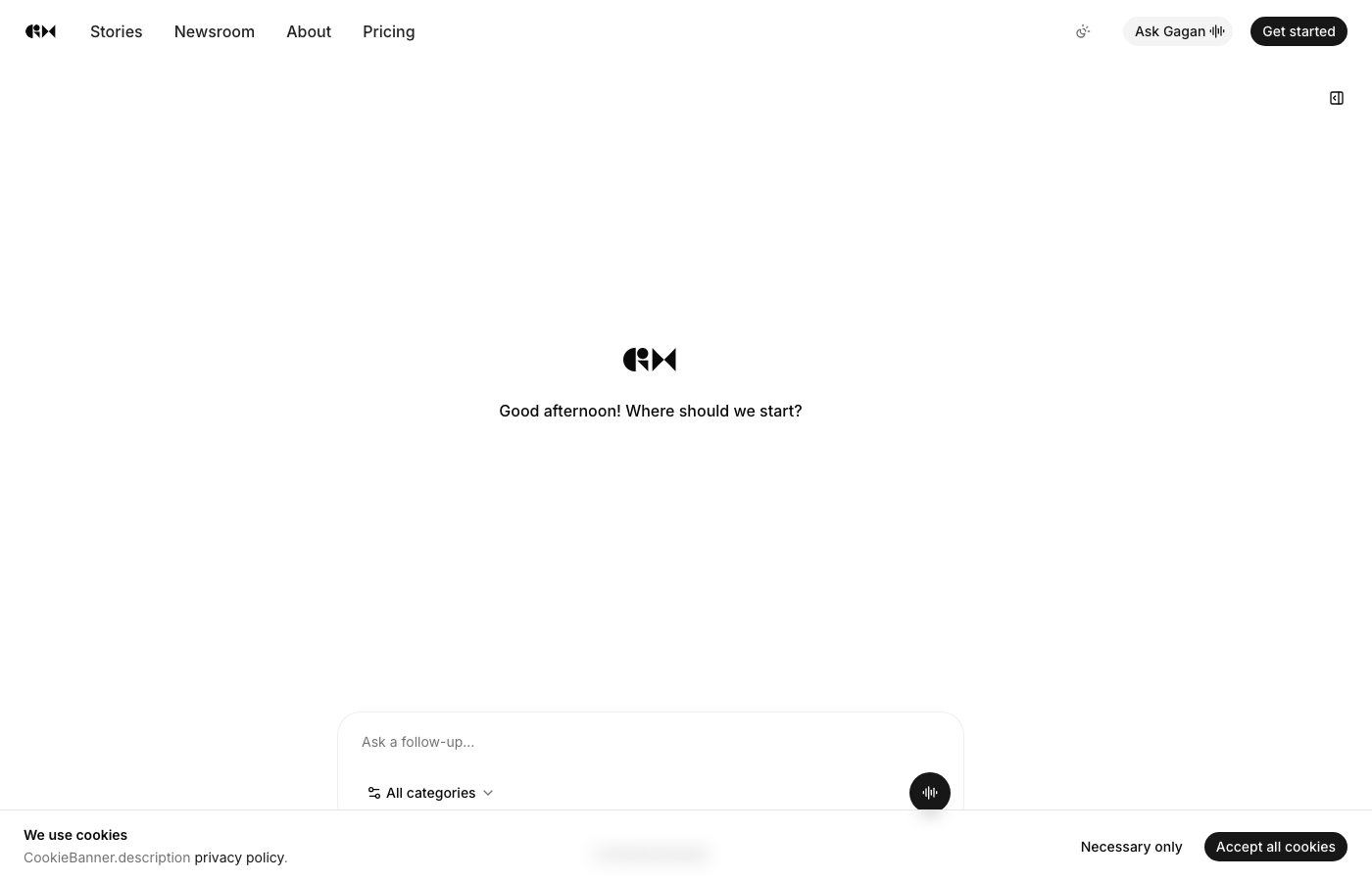
Visitors can interrogate work and writing through retrieval-backed answers tied to chunked content in Postgres + pgvector.
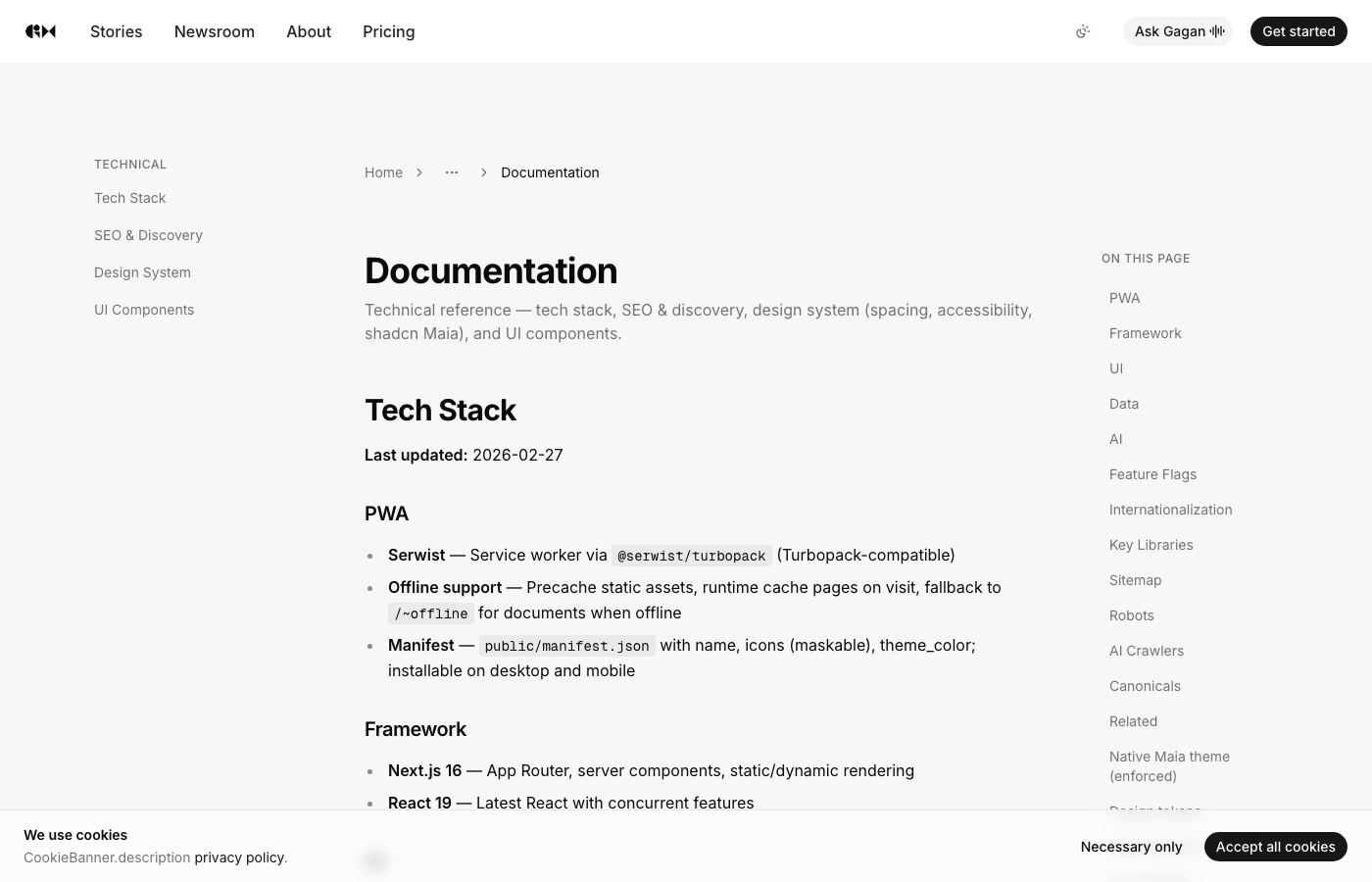
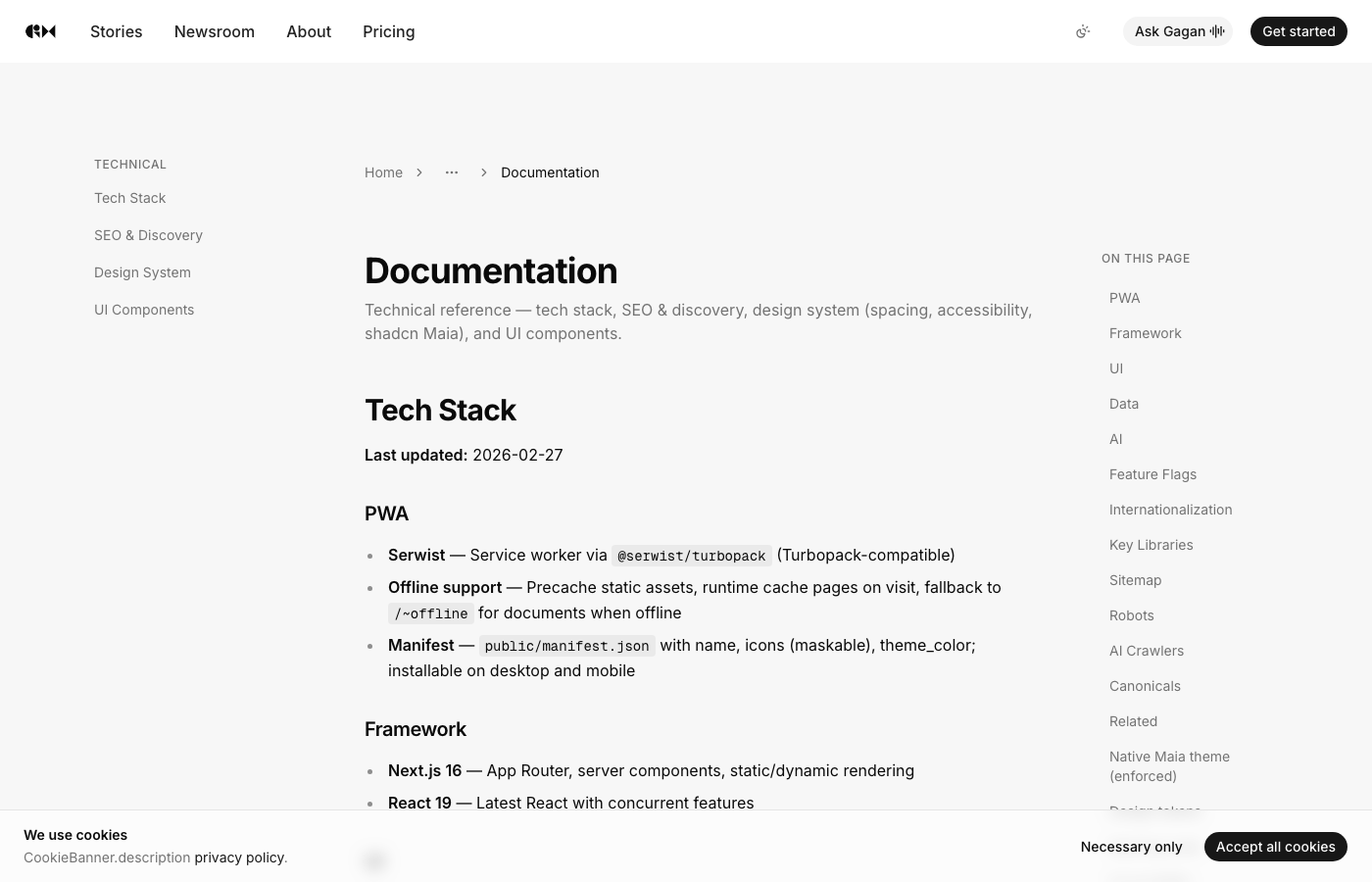
Project documentation ships with the product so stack, accessibility, and UI conventions stay discoverable.
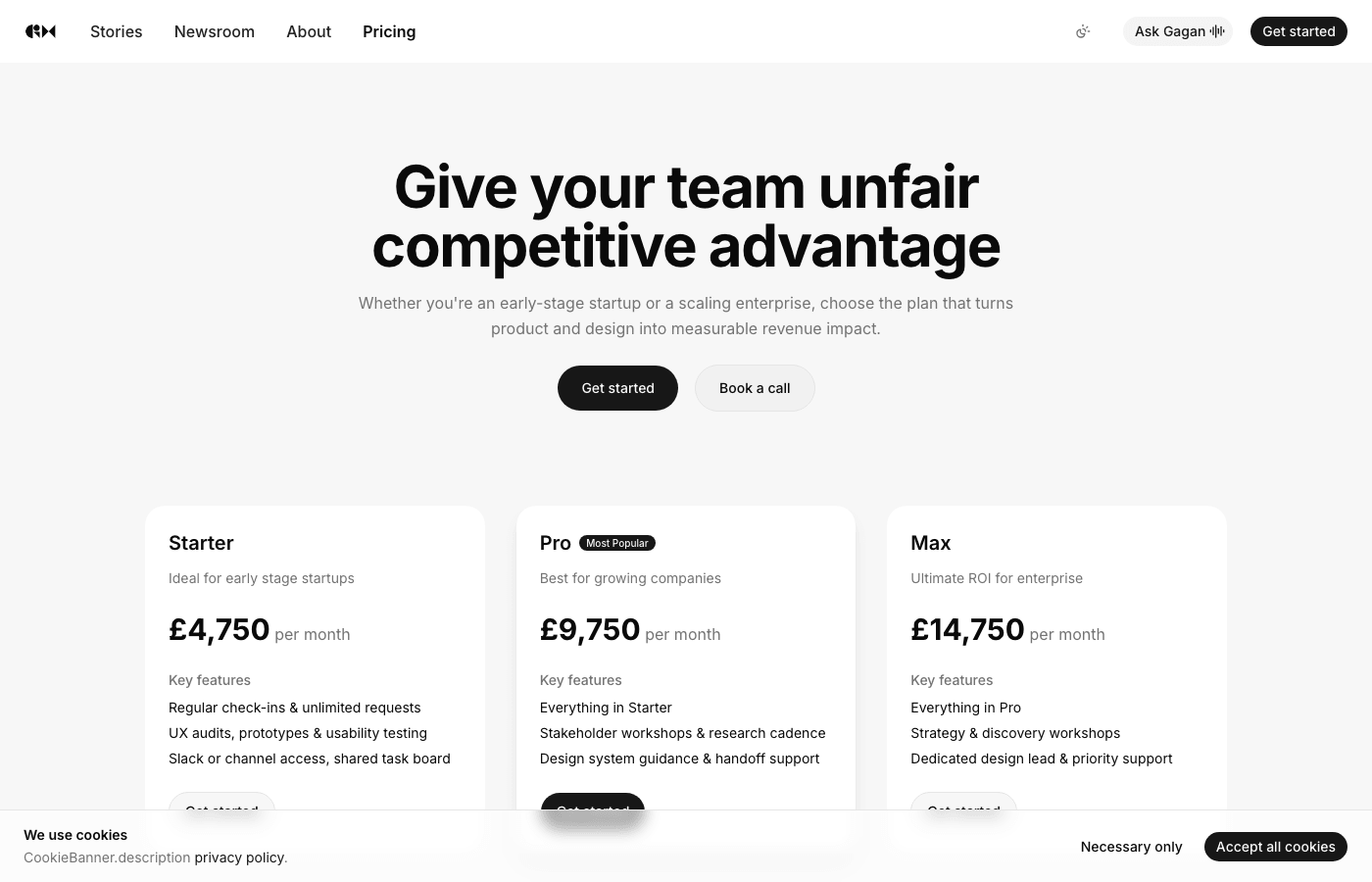
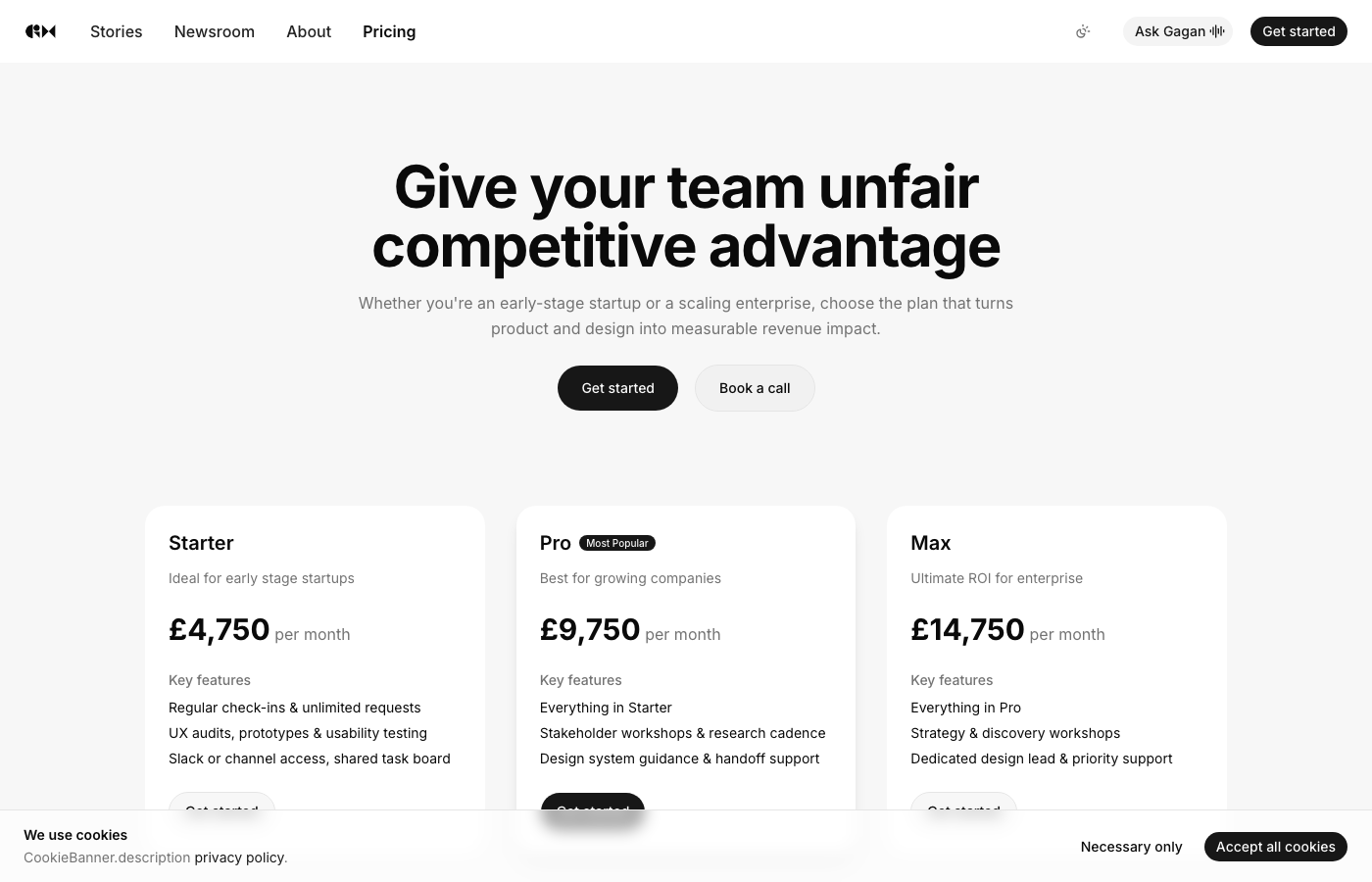
Pricing and Stripe flows sit on the same design system as marketing pages—evidence of end-to-end product thinking.
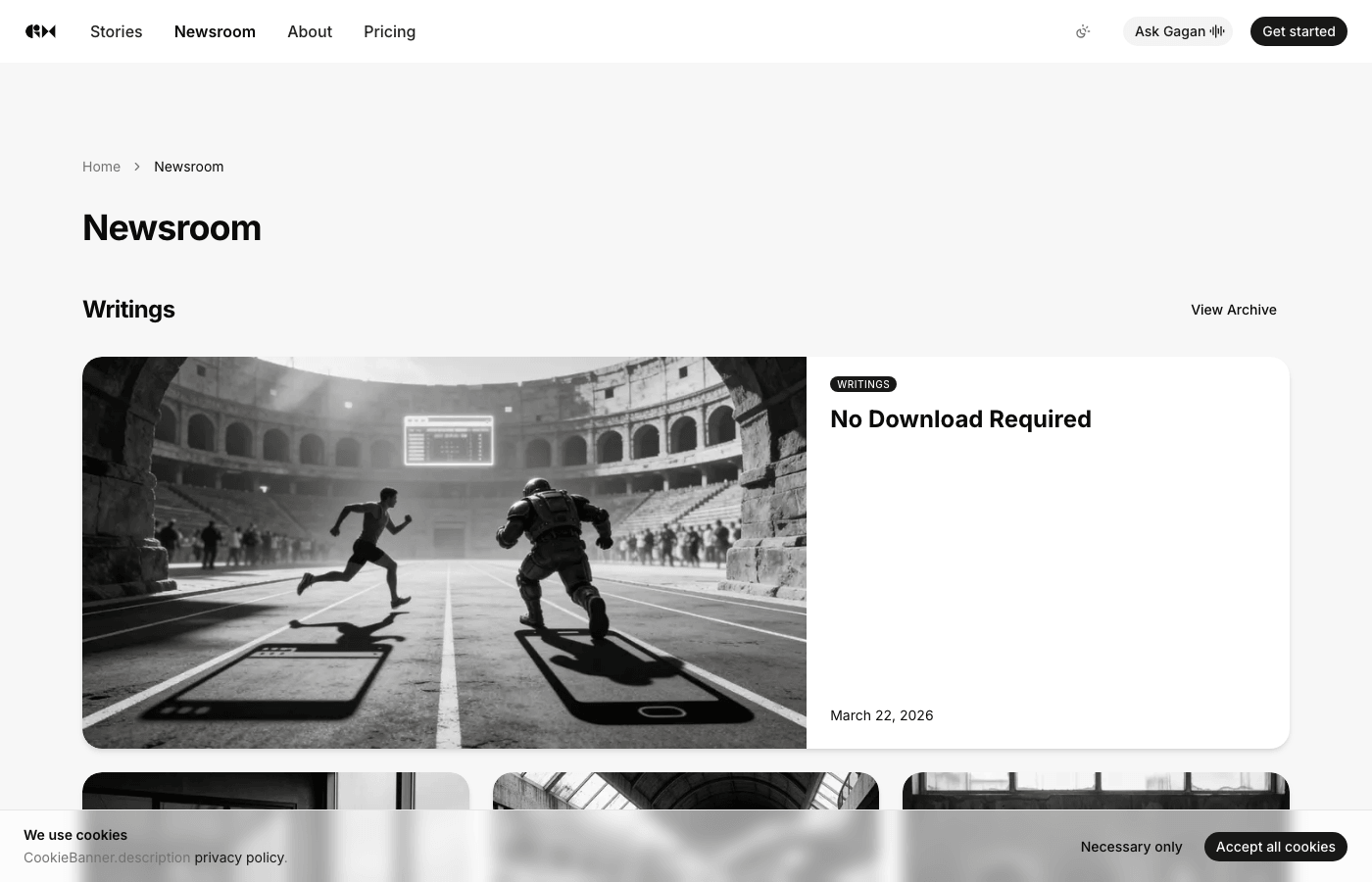
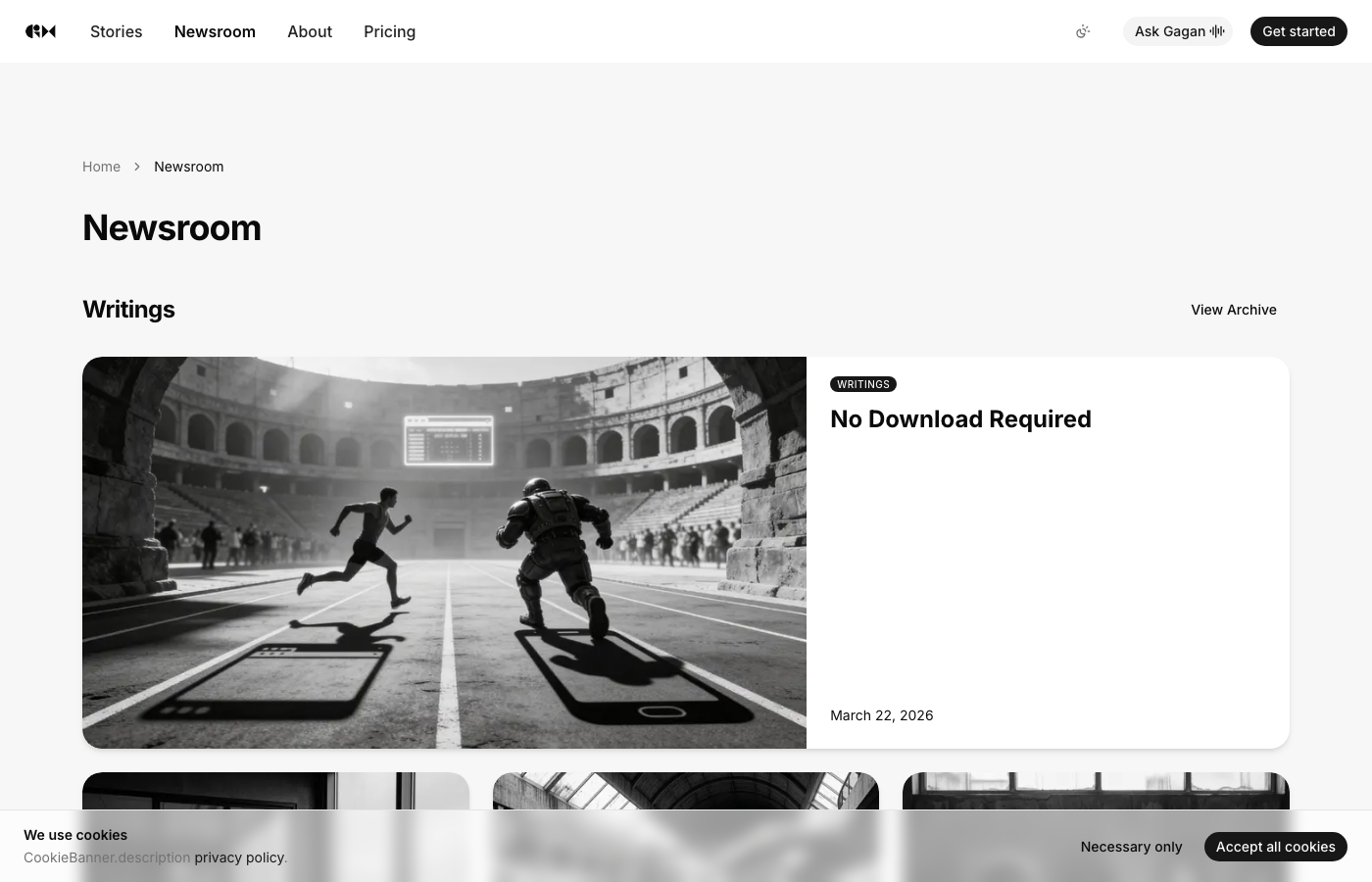
Long-form and updates live beside case studies; embeddings keep Ask aligned with what actually ships.
- Download all images
Media in this story
Related
View all

Ready to take the next step?
Choose the right plan for your team.