प्रौद्योगिकी
725 मिलियन डॉलर की बग खोज
गगन मलिक द्वारा
9 मिनट पढ़ें
चलिए मैं आपको तकनीक जगत के सबसे महंगे शौक के बारे में बताता हूँ जिसके बारे में डिनर पार्टियों में कोई बात नहीं करता: चिप सत्यापन।
वो आकर्षक चिप्स नहीं। न ही वो जिन्हें जेन्सन हुआंग किसी नवजात शिशु की तरह मंच पर लहराते हैं। मेरा मतलब है उससे पहले के 18 महीने, जब हजारों इंजीनियर छोटे-छोटे कमरों में बैठकर सिमुलेशन चलाते हैं, मानव बाल से भी छोटे सर्किट में खामियां ढूंढते हैं, और अपने-अपने भगवान से प्रार्थना करते हैं कि ये चीज़ पहली बार में ही काम कर जाए।
स्पॉयलर: ऐसा लगभग कभी नहीं होता।
सीमेंस ईडीए/विल्सन रिसर्च ग्रुप के अध्ययन के नवीनतम आंकड़े किसी खिड़की से ईंट फेंके जाने की तरह चौंकाने वाले हैं। पहली बार सिलिकॉन चिप बनाने की सफलता दर घटकर 14% रह गई है। यह कोई टाइपो नहीं है। चौदह प्रतिशत। दो साल पहले यह 24% थी और ऐतिहासिक रूप से लगभग 30% थी। चार में से तीन चिप परियोजनाएं निर्धारित समय से पीछे चल रही हैं। और 2nm नोड पर एक चिप डिजाइन करने की औसत लागत? $725 मिलियन। semiengineering
अब आपके स्टार्टअप के पांच साल तक टिके रहने की संभावना, आपके चिप के पहली बार में ही सही से काम करने की संभावना से कहीं अधिक है। और अगर आप हारते हैं, तो आपको अपना सब कुछ नहीं गंवाना पड़ता। आपको एक मध्यम आकार की ऑफिस बिल्डिंग गंवानी पड़ती है।
वह 70% समस्या जिसे कोई नहीं उठाता
अब उस छिपी हुई बात को खुलकर सुनिए: चिप परियोजना के 70% से अधिक समय और कर्मचारियों का उपभोग सत्यापन में होता है। डिज़ाइन में नहीं, विनिर्माण में नहीं। केवल सत्यापन में। वह हिस्सा जहाँ आप जाँचते हैं कि आपने जो डिज़ाइन बनाया है वह वास्तव में वही काम करता है जो आप सोचते हैं। blogs.sw.siemens
और उस 70% के भीतर, सबसे मुश्किल, सबसे मैन्युअल और सबसे थका देने वाला काम है डीबगिंग। अरबों ट्रांजिस्टरों के ढेर में किसी विफलता के मूल कारण का पता लगाना। अकेले पोस्ट-सिलिकॉन डीबगिंग में ही प्रति प्रोजेक्ट $15 से $20 मिलियन और छह महीने लग सकते हैं। प्री-सिलिकॉन डीबगिंग भी कोई बेहतर नहीं है; बस इसके बारे में शिकायत करना सस्ता पड़ता है। web.eecs.umich
सीमेंस ईडीए के मुख्य सत्यापन वैज्ञानिक हैरी फोस्टर ने साफ शब्दों में कहा: "हम जो कर रहे हैं वह कारगर नहीं है। हमें उत्पादकता में उल्लेखनीय वृद्धि करने की आवश्यकता है।" यह कोई आम ब्लॉगर नहीं है। यह वह व्यक्ति है जिसने दो दशकों से अधिक समय से उद्योग का सर्वोत्कृष्ट सत्यापन सर्वेक्षण संचालित किया है। semiengineering
निवेशकों को इसकी परवाह क्यों करनी चाहिए (लेकिन अभी तक नहीं कर रहे हैं)
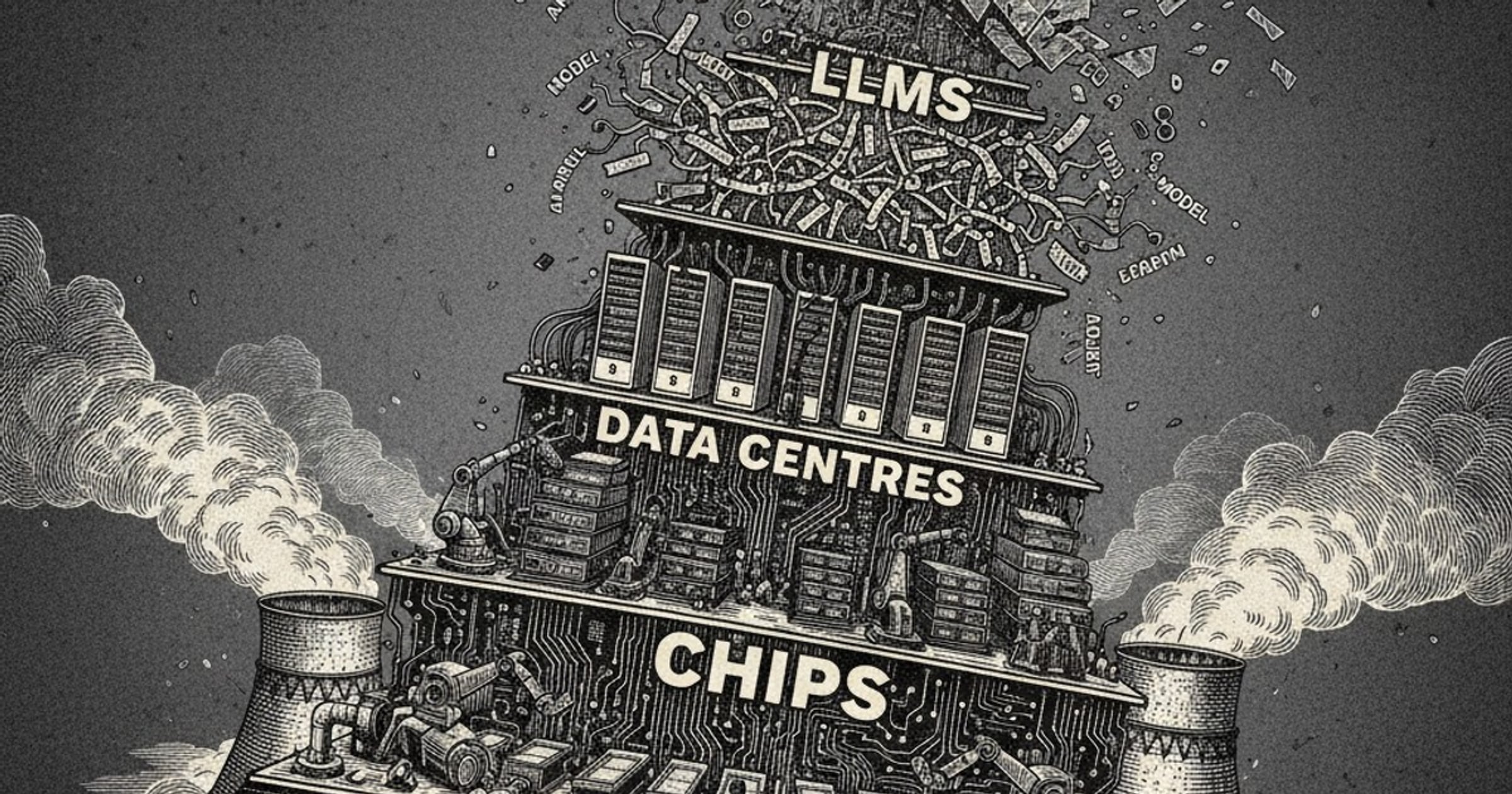
आप जो भी एआई मॉडल इस्तेमाल करते हैं, हर को-पायलट, हर स्वायत्त वाहन, हर डेटा सेंटर जीपीयू क्लस्टर, सब सिलिकॉन पर आधारित होते हैं। जेन्सेन हुआंग खुद एआई को पांच परतों वाले केक की तरह परिभाषित करते हैं: ऊर्जा, चिप्स, बुनियादी ढांचा, मॉडल और अनुप्रयोग। अगर चिप की परत टूट जाती है, तो उसके ऊपर की चार परतें हिलती नहीं, बल्कि ढह जाती हैं। blogs.nvidia
और इस समय, चिप लेयर में एक संरचनात्मक दरार है जिसे सत्यापन उत्पादकता अंतर कहा जाता है। जटिलता तेजी से बढ़ रही है। सत्यापन क्षमता नहीं बढ़ रही है। इस अंतर की पहचान सबसे पहले 2000 के दशक की शुरुआत में हुई थी। अब हम उस दौर में हैं जिसे सीमेंस आधिकारिक तौर पर "सत्यापन उत्पादकता अंतर 2.0" कहता है। समस्या वही है, लेकिन लक्षण और भी गंभीर हैं। verificationacademy
वहीं, चिप डिज़ाइन को संभव बनाने वाले उपकरण, यानी EDA बाज़ार, सेमीकंडक्टर राजस्व का लगभग 2 से 3% हिस्सा ही हासिल कर पाता है। 2 से 3 प्रतिशत! 600 अरब डॉलर के चिप बाज़ार को सक्षम बनाने वाला पूरा उद्योग, Apple के मार्केटिंग खर्च से भी कम कमाता है। बोस्टन विश्वविद्यालय के लियू यान ने बिल्कुल सही कहा: EDA को मूल्य हासिल करने में समस्या है। वे बहुत अधिक मूल्य सृजित करते हैं, फिर सौदेबाजी ऐसे करते हैं जैसे किसी कार नीलामी में पुराना फर्नीचर बेच रहे हों। semiwiki
पैसा इधर-उधर हो रहा है
मैं ईमानदारी से कहूंगा: मैंने इस क्षेत्र को बहुत लंबे समय तक नजरअंदाज किया। मैंने EDA को देखा और उसमें पुराने टूलचेन, तीन प्रमुख कंपनियां और ऐसे मार्जिन देखे जिन्हें देखकर मेरी आंखें चौंधिया गईं, वो भी गलत कारणों से। मैं गलत था। बाजार ने मेरी सोच को पूरी तरह बदल दिया है।
ईडीए बाजार 2026 में लगभग 20.8 बिलियन डॉलर तक पहुंच गया, जो 8 से 9% की सीएजीआर दर से बढ़ रहा है। सत्यापन और अनुमोदन (ईडीए) 26% हिस्सेदारी के साथ सबसे बड़ा सेगमेंट है, जिसका मूल्य लगभग 5.4 बिलियन डॉलर है और यह औसत से अधिक तेजी से बढ़ रहा है। क्लाउड ईडीए अपने आप में 3.7 बिलियन डॉलर का एक उप-बाजार है। mordorintelligence
और फिर ChipAgents अस्तित्व में आया। 2024 में स्थापित इस कंपनी ने TSMC समर्थित Matter Venture Partners के नेतृत्व में Bessemer, Micron, MediaTek और Ericsson के साथ मिलकर $74 मिलियन का एक अप्रत्याशित फंड जुटाया। कंपनी ने सालाना आधार पर 140 गुना वार्षिक रिटर्न वृद्धि दर्ज की है और 80 सेमीकंडक्टर कंपनियों में इसका उपयोग हो रहा है। उनका मुख्य विचार है: एजेंटिक AI जो स्पेसिफिकेशन पढ़ता है, सत्यापन संसाधन उत्पन्न करता है और स्वचालित रूप से मूल कारण विश्लेषण करता है। संक्षेप में, वे डिबगिंग की बाधा को जड़ से खत्म करने का प्रयास कर रहे हैं। businesswire
वह ढांचा जिसकी आपको वास्तव में आवश्यकता है
चिप डिजाइन में सत्यापन को एक मामूली मद के रूप में देखना बंद करें। इसे संपूर्ण एआई अर्थव्यवस्था के लिए जोखिम अवसंरचना के रूप में देखना शुरू करें।
हर हफ्ते टेप-आउट में चूक होती है, हाइपरस्केलर का जीपीयू क्लस्टर देर से डिलीवर होता है। हर रीस्पिन में 25 मिलियन डॉलर और तीन से छह महीने का समय लगता है। उत्पादन तक पहुँचने वाला हर बग सिमुलेशन में पकड़ने की लागत से 100 गुना अधिक महंगा पड़ता है। community.cadence
जो कंपनियां डिबगिंग चक्र को कम करती हैं, वे न केवल अपने ग्राहकों के पैसे बचाती हैं, बल्कि वे एआई की गति को भी तेज कर देती हैं। यही उनका मुख्य विचार है। यही उनका सिद्धांत है।
सत्यापन उत्पादकता अंतर केवल सेमीकंडक्टर की समस्या नहीं है। यह एक ऐसी समस्या है जो प्रयोगशाला के दायरे में आती है। और जो संस्थापक इसे दूर करेंगे, वे न केवल अच्छे व्यवसाय बनाएंगे, बल्कि वे चुपचाप एआई स्टैक में सबसे महत्वपूर्ण बुनियादी ढांचा परत बन जाएंगे, जिसके बारे में X (पूर्व में ट्विटर) पर किसी ने सुना भी नहीं होगा।
अभी तक।
साथ मिलकर काम करें?
Plans देखें, सवाल पूछें, या कॉल बुक करें।
प्रौद्योगिकी पर और
आर्काइव देखें


अपडेट रहें
नए लेख और अपडेट अपने आप पाने के लिए इस लिंक को अपने RSS रीडर में जोड़ें।