Design
Effortless Is a Construction
By Gagan Malik
6 min read
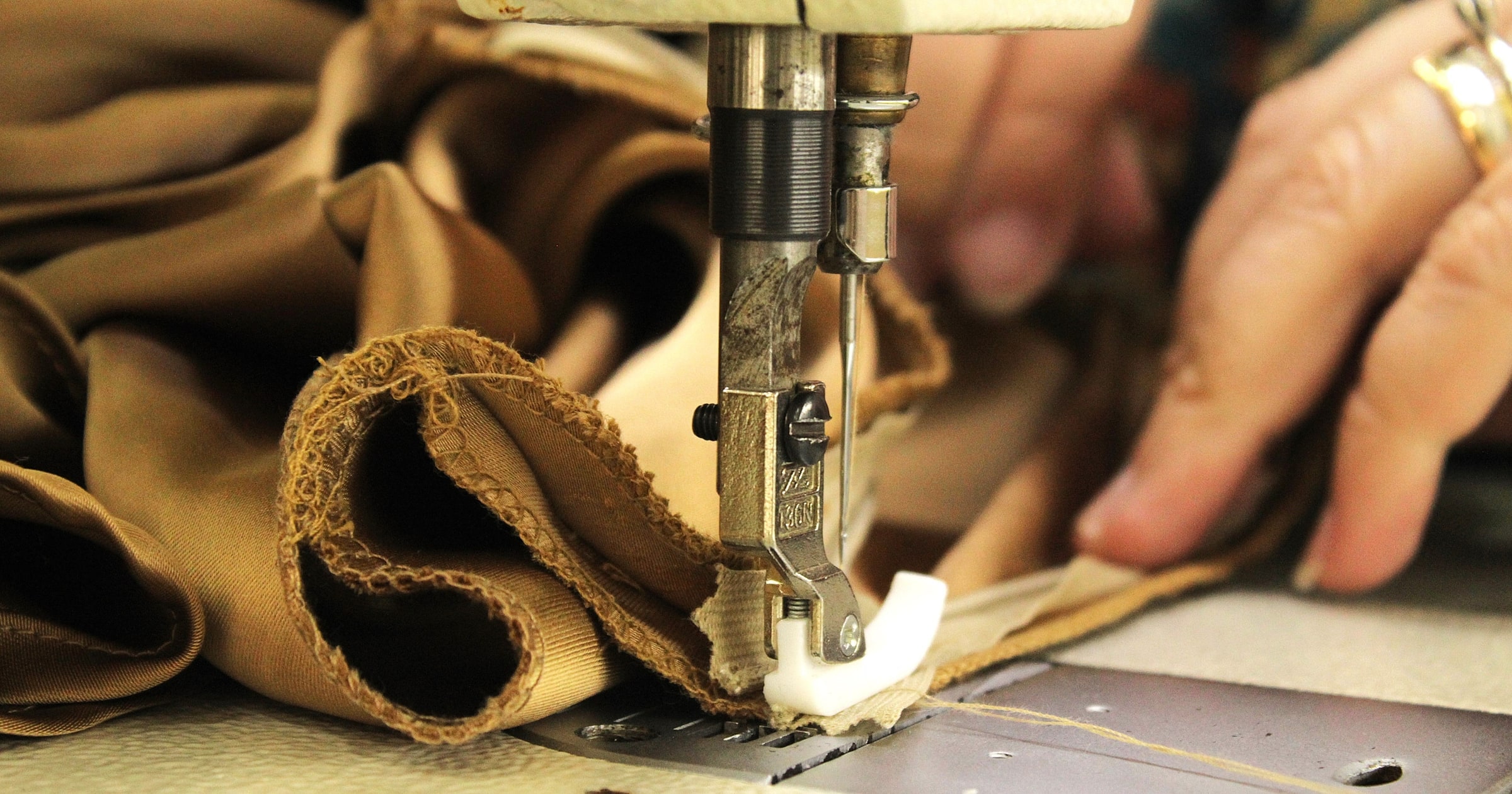
In Milan I walked into Rubinacci for a jacket, not a metaphor. Soft Neapolitan construction: light canvas, natural shoulder, the kind of jacket that is supposed to move with you. I have spent years in British hard-shoulder suits that look finished on a hanger and fight you the moment you reach for a bag. So I did the unglamorous thing in the fitting room. I put the jacket on and raised my arm.
I waited for the padded shoulder to resist, the way a structured jacket does when you lift your arm. It did not. The shoulder yielded. The sleeve followed. Soft roll, no theatre. For a second I felt slightly foolish, as if I had expected a fight that only exists in the jackets I already own. Then I felt the point in my body before I had a name for it: the ease was the build.
They call that feeling effortless. In product reviews they mean something else: cut the craft, then prove we covered the tunnel. Effortless is not the absence of labour. It is soft construction: the labour disappears for the wearer so the job can move. The Italians had a word for the older version of that move: sprezzatura, studied carelessness that conceals art. Soft construction is that concealment in the jacket, and in the product.
They Asked for Ease. They Kept the Armour.
At Aviva Drive design reviews we said it in the same breath. “It has to feel effortless,” the product lead would say: open the app, start a trip, forget the scoring is even there. Then, before the marker dried on the whiteboard: “Walk me through every empty state. GPS drops in a tunnel. They deny location. The trip fails to upload. I need to see we’ve covered it for the quarterly.” Ease for the driver. Theatre for the room. I was the person who could make that armour look finished. I kept the labels on the flows. I kept the branch diagram on the wall. We got the nod.
That contradiction was not a taste fight. It was the incentive sheet. The Garage graded us on what the quarterly could see: labelled coverage, App Store momentum, a wall that proved we had thought of the tunnel. Nobody graded us on whether a tired driver could start a trip without fighting the chrome we hung for the room. Soft construction costs sprint time and political capital. Labelling every rare branch buys a clean review and a green dashboard. So we funded the armour. The driver paid for it later, one confusing empty state at a time, while we kept saying effortless like it was free.
Hard Shoulder, Soft Shoulder.
A hard shoulder stands on a hanger. Neapolitan soft construction does the opposite: light canvas, natural shoulder, motion with the body. gentlemans-gazette-neapolitan Product systems split the same way. Hard construction hangs every rule where the review can see it. Soft construction spends craft so the common job moves: one primary path under load, defaults that absorb decisions the user should not rehearse, rare failures that appear only when reached. Keep armour when regulation demands it. Soft is not an excuse for chaos.
The Trip That Just Starts.
Here is what we did on Drive when we funded soft construction. Open the app. One clear control to start a trip. Scoring ran without a tour of every sensor state. If location was off, one plain ask, then back to the trip, not a gallery of labelled denies. If GPS dropped in a tunnel, the trip held and retried without making the driver choose among recovery diagrams we had drawn for ourselves. We wear-tested the school run: phone in the cup holder, one hand on the wheel, thirty seconds of attention. Tunnel coverage lived in a late path and an engineering runbook. The quarterly still got its proof. The driver did not have to wear it.
That is how you achieve sprezzatura in product and design. You do not delete craft. You spend it where the arm rises. You conceal the labour of scoring, sync, and recovery so the job can finish. You leave fees, risks, and consent visible, because that concealment is a different crime.
What the Room Cost.
When we refused that craft, the room still got its nod. I kept the branch diagram on the wall for the quarterly. The first screen argued with drivers when GPS hiccupped on the school run. Support inherited tickets for states we had labelled for ourselves, not for them. Ease has coordinates. Someone chooses the shoulder. Someone Designed That Button maps harm to a person and a decision. Soft construction maps the same way. Someone studied what to conceal. Someone refused. Including me, whenever I chose the quarterly over the trip.
Give the Objection Its Full Weight.
Hiding craft can sound like elitism. Users deserve transparency. Seeing the system can feel like respect. Why should labour disappear if the organisation already hides fees, risks, and consent behind a smile? If effortless means opaque, the courtly word is a costume for contempt.
Take that case as far as it goes. Baldassare Castiglione, in The Book of the Courtier (1528), drew the line between grace and affectation. A Studied Carelessness Product ethics must draw the same line. Conceal labour from the wearer so they can move. Never conceal terms, cost, or consent. A flow that hides the fee inside “effortless” checkout fails the soft-construction test. That is engagement contempt. I mapped it in Why We Designed Contempt Into Our Interfaces. Soft construction still has seams. The maker owns them.
What We Can Learn From the Italians
Effortless product is soft construction: studied concealment of labour so the job can move. Fund one primary path until a tired user can finish it; bury rare failures until they are reached; spend the sprint on defaults that absorb decisions, and never bury fees or consent behind “effortless.” I still catch myself choosing the hanger for the nod; the sleeve that moved in Milan is the standard I use when I refuse.
Work together?
View plans or ask a question.
More on Design
View archive
Stay updated
Add this link to your RSS reader to get new writings and updates automatically.