AboutStoriesNewsroomLabPricingEvents
Ask GaganWorking together
  1. Lab
  2. Pitch Valuation

Explore

  • Home
  • About
  • Stories
  • Newsroom
  • Archive
  • Events
  • Pricing

Connect

  • Ask
  • Book a call
  • Send an email

Resources

  • Documentation
  • Media Kit
  • Release Notes
  • Lab
  • Site Map
  • RSS Feed
  • Newsletter

Legal

  • Privacy
  • Terms of Use
AI site summary·AI profile corpus

Copyright © 2026 Gagan Malik. All rights reserved.

Privacy|Terms of Use|Site Map

How investors value a company. A lab by Gagan Malik. Phone-first five-step model linking unit economics, LTV/CAC, five-year forecast, exit multiples, and round ask with Damodaran and private-deal benchmarks.

  1. Lab
  2. How investors value a company
Cover image for How investors value a company
BusinessOctober 15, 2026

How investors value a company

Type what the business sold, what one sale costs, and how much you want to raise, and see whether your number holds up.

By Gagan Malik

1 min read

The model

Ask for a change. The chart and the figures below show what the numbers support.

How investors value a company on Desktop

What have you sold, and what does it cost to run?

The business is . We sell . Money is in . This year so far.Revenue booked so far is0, across12 months. Already trading before this year: . The cost of the goods is0% of that revenue. Selling and marketing is0% of that revenue. General and administrative, the salaries, rent, and office, is0% of revenue. Interest is0% of revenue. Tax is 21% of the profit after interest.

$0 year to date

Year to date (YTD)

$0
−$0
$0
−$0
−$0
$0
−$0
$0
−$0
$0

Rev

COGS

GM

S&M

G&A

EBITDA

Int

EBT

Tax

PAT

Each stepValuationProfitLoss

Rev is revenue: money customers paid so far this year.

COGS is cost of goods sold: what it cost to make or buy what was sold.

GM is gross margin: revenue left after cost of goods sold.

S&M is selling and marketing: the cost of winning the sale.

G&A is general and administrative: salaries, rent, and the rest of the overhead.

EBITDA is operating income before depreciation and amortization. EBIT is that profit after those two charges. They are not in the model, so EBIT and this bar are the same number.

Int is interest expense: the cost of borrowed money.

EBT is earnings before tax: operating income after interest.

Tax is income tax: tax on that profit. Nothing is taken when there is no profit.

PAT is profit after tax: what the year leaves once tax is paid.

Corporation tax US federal tax is 21% of profit. State tax is not in this bar.

Gagan MalikAccounting standard applied: US GAAP

Work together?

View plans or ask a question.

View plansAsk Gagan

More in Lab

View in archive

Clarifying questions

October 3, 2026

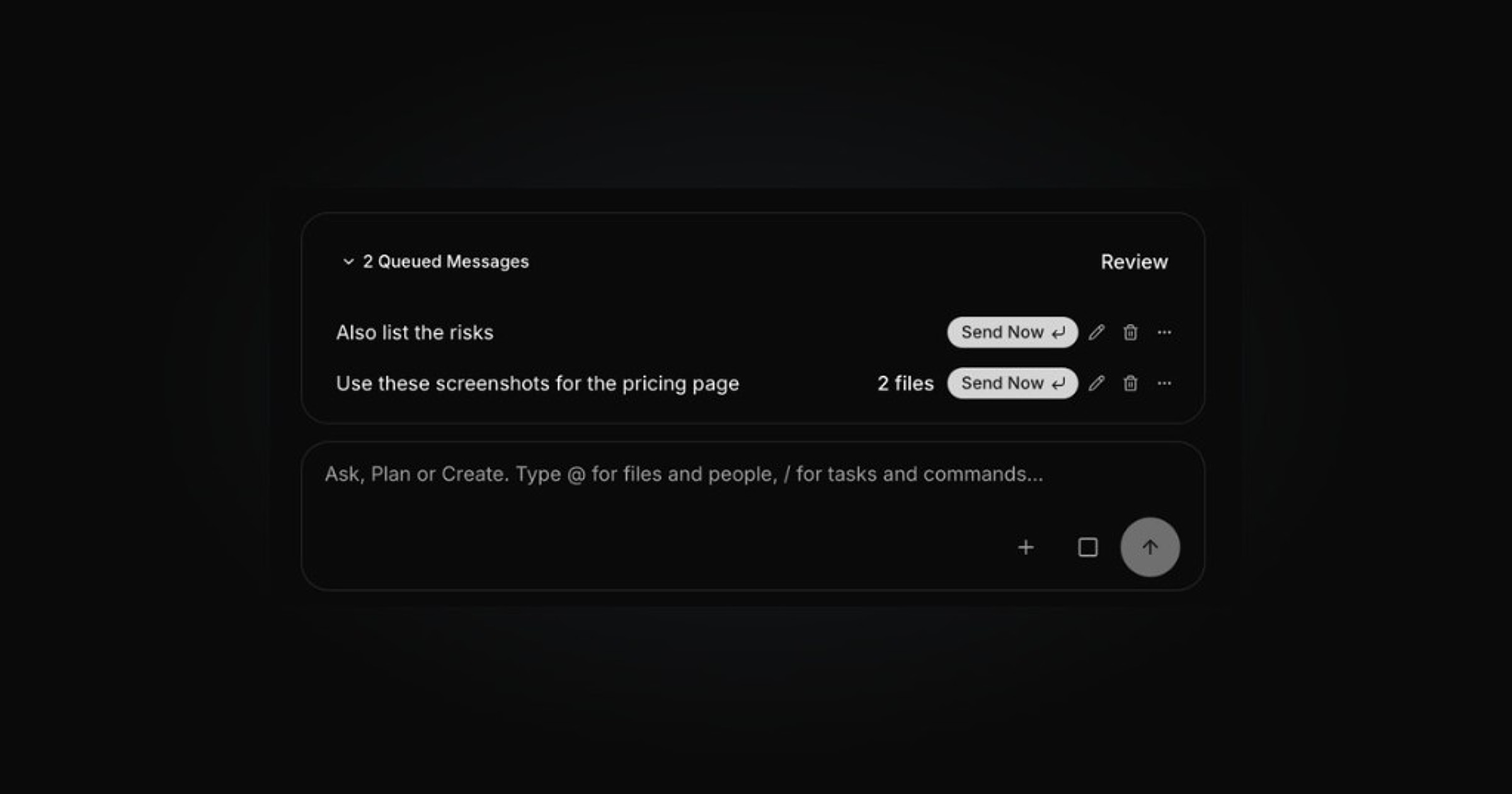
Queued messages

September 13, 2026

Selection Quote

August 9, 2026

Stay updated

Add this link to your RSS reader to get new writings and updates automatically.

Leave your email and I'll send a note when a new essay is worth your time.

Occasional notes on new writings. Unsubscribe any time. Privacy