التكنولوجيا
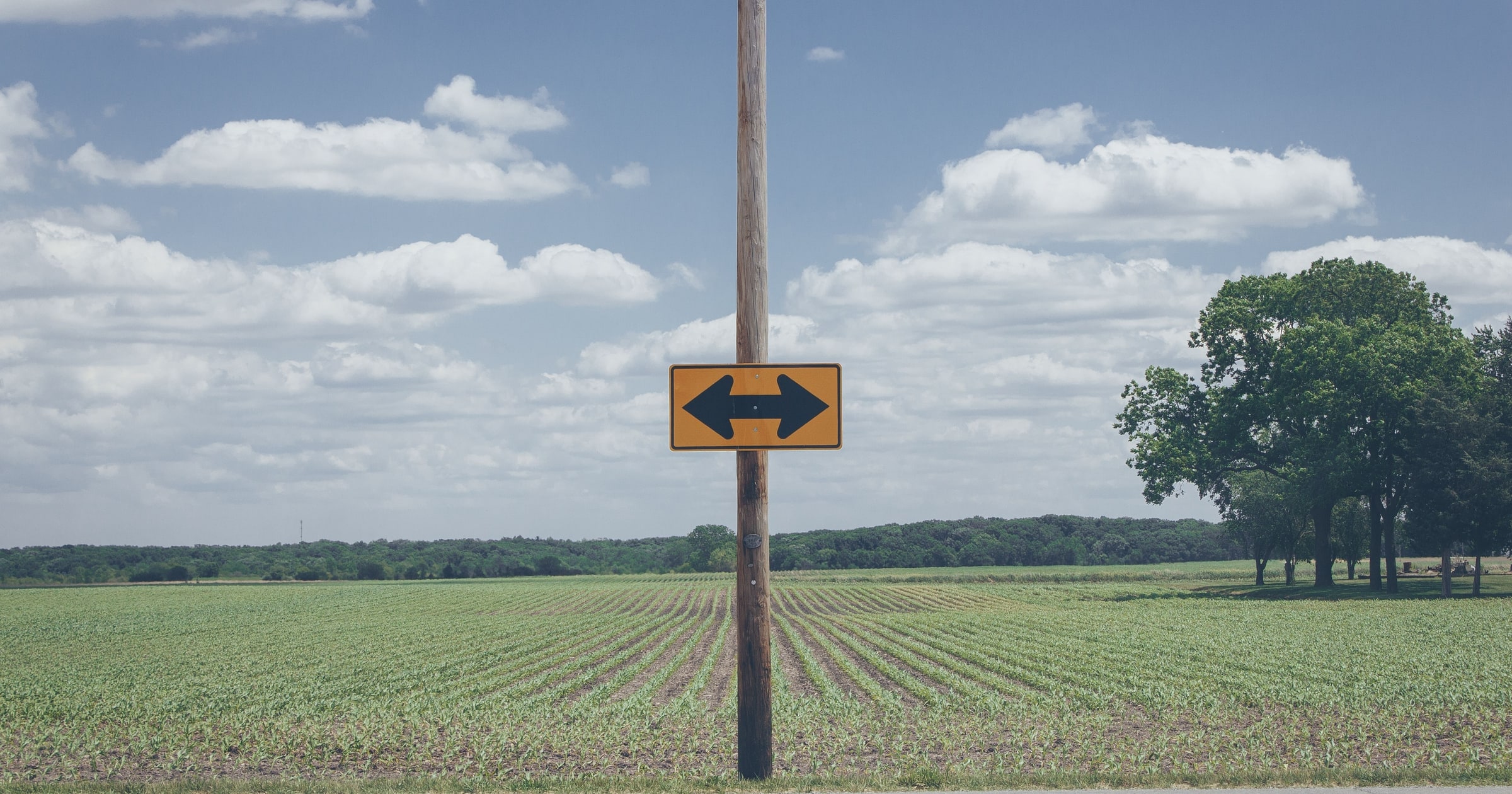
Between Two Roads
By Gagan Malik
8 دقيقة قراءة
A pitch has a date, a room and a verdict. A sale does not. Founders walk both roads at once. An investor cares whether a customer has paid. The week looks full. The customer has not been asked.
The Other Work
Paul Graham saw the same pull in the founders he backed. Recruiting the first users by hand feels tedious and pointless at the time, so founders find other work to do. He put the reluctance down to shyness and laziness. graham-do-things-that-dont-scale His example is Airbnb's founders going door to door in New York. Pitching is that other work. It is busy, public and social. It never asks whether anyone will pay.
Raising also looks like care. William Kerr, Ramana Nanda and Matthew Rhodes-Kropf argue that a new venture's odds cannot be known until money is spent to find them out. kerr-entrepreneurship-as-experimentation On that reading the raise is part of the experiment. The same paper notes who decides which experiments run. A handful of investors decide, before any market has a say. A founder who wants the experiment to happen learns to please them first.
Doors Founders Pay to Keep
Keeping the selling road open while raising feels like the careful choice. Jiwoong Shin and Dan Ariely ran four games in which options disappeared unless players spent something to keep them. shin-ariely-keeping-doors-open Players paid to keep doors open even when they had shown little interest in what lay behind them. The habit held when players were told the outcomes, given more experience, and shown the cost more clearly. The pattern fits the fear of losing an option. That is the cost of a road a founder will not walk.
Careers make the same case. Herminia Ibarra found that people who decide first and act second tend to stay stuck. Those who change run small experiments while they keep the old job. ibarra-how-to-stay-stuck Her advice is to do first and know second. She found the move often takes around three years. Researchers who study when to stick and when to explore are blunter. There is no general answer. The right balance depends on how fast the world changes and what exploring costs. cohen-should-i-stay-or-should-i-go
The Price of Waiting
There is a serious case for keeping both roads open, and it has a cash price. Lars Stole's microeconomics works an example. A firm may spend £1,600 on a project now or next period. The return is £100 a period or £300, forever, with equal odds. At 10%, those streams are worth £1,100 or £3,300 today. Spending the money now is worth £600, if the other choice is never spending it. Waiting, and spending the £1,600 only once the return is known to be £300, is worth £773. The right to wait is the £173 in between.
To judge a decision to spend now, the firm charges itself the £773 it gives up, and the £600 becomes a loss of £173. The lecture points to Avinash Dixit and Robert Pindyck for the theory. A firm that can delay learns more before it commits, though it never learns everything. dixit-pindyck-investment-under-uncertainty Stole's point is that the cost of using the option can be large enough to decide the case. The wait earns that value only because it tells the firm the return. A pitch does not. The return is a customer who suffers from the problem so badly that they will pay anyone to solve it.
An Option Does Not Sit Still
The cost of an open road is quiet. Daniel Gilbert and Jane Ebert let photography students keep one of their own prints. Those who could swap it later liked theirs less over the following days than those whose choice was final. gilbert-ebert-decisions-and-revisions Asked in advance, people expected the chance to change their mind to make no difference. Most of them still chose to keep that chance. An option left open does not sit still. It spends the commitment the other road needs.
Barry Schwartz and his colleagues found a related pattern in people who hunt for the best choice rather than a good one. Across seven samples, they reported less happiness and more regret. schwartz-maximizing-versus-satisficing The image is old. A donkey starves between two equal bales of hay because it has no reason to walk to either. The fable carries the name of Jean Buridan, a fourteenth-century philosopher in Paris, but it appears nowhere in his writings. zupko-john-buridan Versions of it go back to Aristotle. Buridan had argued that the will can hold back a choice while the good in each option is unclear. His critics most likely invented the donkey to mock him. Their joke was that his freedom ends in a dead animal.
Philosophers later gave the case a name. Edna Ullmann-Margalit and Sidney Morgenbesser called it picking. Picking is the decision a person makes once the reasons have run out. sunstein-picking-vs-choosing The animal is hungry for both bales and fed by neither.
Nobody Chose This
The fairest objection is that nobody chose this. Most new ventures fail, and their odds cannot be known until money is spent to learn them. kerr-entrepreneurship-as-experimentation Raising and selling at the same time is what early founders are told to do. Keeping both roads open is how Ibarra's career changers found their way out. ibarra-how-to-stay-stuck Even the mechanics of deciding are against the founder. The computer scientist Leslie Lamport showed that a decision made from a continuous input cannot be guaranteed to finish in a bounded time. lamport-buridans-principle On that view the market decided. A founder who blames his own split is taking the blame for bad luck.
The research on delay points to a narrower trouble. The classic finding that conflict between options makes people put a choice off came from Amos Tversky and Eldar Shafir in 1992. tversky-shafir-choice-under-conflict Three decades later, Evangelidis, Levav and Simonson ran forty replications with 26,703 people and found little sign of it. evangelidis-choice-deferral A review of fifty experiments on choice overload found an average effect of virtually zero. scheibehenne-choice-overload The donkey's trouble was never that the bales were equal. Walking to one meant losing the other, and the research on doors says that fear is real. shin-ariely-keeping-doors-open
Charge the Firm the Option
The way out is a decision. The philosopher Ruth Chang argues that when options are on a par, choosing is how a person creates the reason that was missing. chang-hard-choices brown-hard-choices Steven Levitt tested something cruder. He asked people stuck on big decisions to let a coin decide. Those the coin pushed to make the change, such as quitting a job, were happier six months later. levitt-heads-or-tails The coin spends the option. It still does not tell the firm the return.
A founder can keep the investor road open and still feel the week was full. The £173 is spent either way, and a pitch does not reveal which return showed up. The customer who would have paid is still waiting for the ask.
هل نعمل معاً؟
اطّلع على الخطط أو اسأل سؤالاً.
المزيد في التكنولوجيا
عرض الأرشيف

ابق على اطلاع
أضف هذا الرابط إلى قارئ RSS للحصول على المقالات والتحديثات الجديدة تلقائياً.